UK Industrial Strategy: Pledges Without a Clear Plan
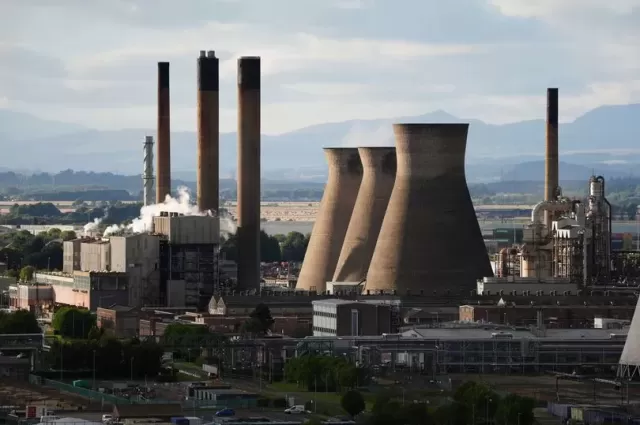
The government's recent intervention to secure the future of the Grangemouth ethylene plant with significant public funds has been framed as a steadfast commitment to British industry and communities. Yet, this move raises pressing questions about the broader industrial strategy—or apparent lack thereof—guiding such decisions.
The Selective Nature of State Intervention
While the ethylene facility at Grangemouth has been safeguarded, a pattern of inconsistent government action is evident. The adjacent oil refinery at the same site was permitted to close and convert to an import terminal this year. Similarly, the ethylene plant in Mossmorran faces closure after unsuccessful negotiations, despite its operational resemblance to Grangemouth. Conversely, the government took swift parliamentary action to assume control of British Steel in Scunthorpe.
This selective approach makes it difficult to discern any clear, overarching principle determining which industries or sites merit protection. Interventions often appear reactive, launched at the eleventh hour in response to imminent closure threats and political pressure, rather than part of a proactive, coherent plan.
The Case for Strategic Support
The argument for supporting the Grangemouth ethylene plant is substantively strong. Ethylene is a critical feedstock for the UK's chemical sector, with downstream applications in:
- Medical-grade plastics
- Advanced manufacturing processes
- Automotive and aerospace industries
Its closure would have severely undermined the nation's already contracted chemicals industry, causing widespread supply chain disruption. The support package, therefore, addresses a genuine strategic vulnerability.
A Disjointed Policy Landscape
However, if the ministerial goal is to systematically counter deindustrialisation while pursuing decarbonisation, the policy framework seems fragmented in several key areas:
1. The Slow Pace of Energy Cost Relief
Many UK businesses face some of the highest industrial energy prices globally. A promised scheme to deliver electricity bill savings of up to 25% for the most affected companies has been significantly delayed. This crucial support for competitiveness is not scheduled to arrive until April 2027—over halfway through the current parliament—leaving industries in a costly limbo.
2. Contradictory North Sea Policies
Energy policy for the North Sea sends mixed signals. While no new exploration licences will be issued, efforts to extend the life of existing fields through "tieback" licences are undermined by the maintained Energy Profits Levy until 2030. This windfall tax discourages the very investment needed to sustain production, and its forecasted revenue continues to be revised downward.
3. An Incomplete Carbon Border Mechanism
The planned Carbon Border Adjustment Mechanism (CBAM), designed to prevent "carbon leakage" by levying imports equivalent to UK carbon costs, currently has significant gaps. Crucial sectors like chemicals are omitted, and the inclusion of refineries is merely under consultation. This leaves domestic manufacturers in key industries exposed to unfair competition from regions with lower environmental standards.
The Need for a Coherent Vision
The previous administration was also prone to ad-hoc crisis management for individual plants. The current government's intent to support industrial communities is recognisable and reflects a challenge faced across Europe. Nevertheless, the pace of deindustrialisation continues to outstrip the development and implementation of a cohesive, long-term industrial strategy. Without a more integrated and transparent framework, interventions, however well-intentioned, will remain perceived as sporadic rather than strategic.