
Nicotine Pouches: New Addiction or Smoking Aid?
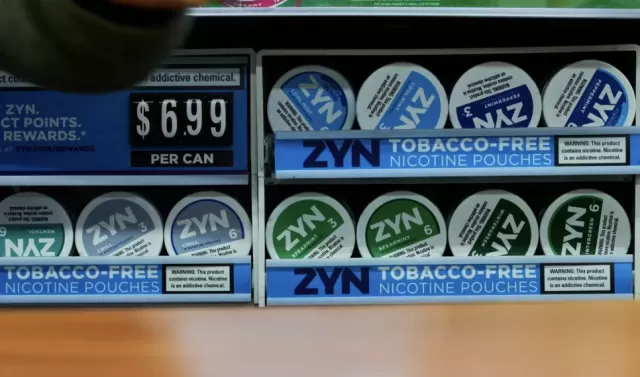
The colourful tins lining corner shop shelves, once a novelty, now represent a significant shift in the nicotine market. From "frosty berry" to "Tomorrowland," these eye-catching packages house nicotine pouches, the latest strategic move by the tobacco industry. Marketed as "tobacco-free" yet potent with nicotine, these small sachets offer a discreet way to experience a buzz, and their sales are skyrocketing. As UK ministers deliberate on stricter regulations, a crucial question looms: are these pouches aiding smokers in quitting, or are they ensnaring a new generation in nicotine addiction? Furthermore, what are the broader implications for our health?
Understanding Nicotine Pouches: A New Player in the Game
Nicotine pouches represent a distinct category of nicotine delivery systems, differentiating themselves from traditional snus (a moist tobacco paste) and vapes (which deliver nicotine through inhalation). These discreet, often white sachets are comprised of purified nicotine powder, bulking agents like cellulose, artificial sweeteners, and flavourings. The user places a pouch under their upper lip, where it dissolves with saliva, facilitating rapid nicotine absorption through the oral lining. This process delivers a swift nicotine hit, accompanied by an explosion of sweet, minty, or fruity flavours.
Introduced to the UK market around 2019, nicotine pouches have rapidly become a considerable commercial force. By 2022, sales had reached a staggering 92 million units, with a remarkable 55% surge in 2023. This impressive growth is, in part, attributed to a significant overhaul in marketing strategies. Professor Leonie Brose of King's College London's nicotine research group notes, "Initially, they were a bit dull-looking, and in the last few years they've become very colourful and interestingly packaged, clearly not only appealing to a middle-aged person who smokes, but targeting other, younger age groups." This visual and flavour-driven rebranding has undeniably broadened their appeal beyond traditional adult smokers.
A Growing User Base: From Curiosity to Concern
Recent research from King's College London indicates a doubling in the proportion of UK adults who have tried nicotine pouches between 2020 and 2024, reaching 5.4%. While regular usage remains at a more modest 1%, the sheer volume of experimentation is noteworthy. Crucially, youth engagement mirrors these figures, with growing awareness among younger demographics.
A study recently published in Addiction by researchers at the Scottish Centre for Social Research shed light on this phenomenon through focus groups conducted with 14- to 16-year-olds across four schools. Pupils demonstrated a clear understanding of nicotine pouches, highlighting their accessibility and discreet nature. Some even reported experiencing nicotine rushes, nausea, or fainting – symptoms that largely went unnoticed by their teachers, who were, by and large, unaware of their students' use.
These observations are not isolated. A comprehensive review by Dr. Nargiz Travis at Georgetown University in Washington D.C., along with her colleagues, revealed that a significant percentage of adolescents and young adults in the US (between 35% and 42%) were aware of these pouches. Even more concerning, 9-21% of individuals who had never used tobacco products indicated they would consider trying them. This suggests that pouches are not just attracting existing nicotine users but are also creating new pathways into nicotine consumption.
Health Implications: Nicotine and Beyond
The health concerns surrounding nicotine pouches primarily revolve around two key components: the nicotine itself and the array of flavourings and artificial sweeteners they contain.
Nicotine: The Addictive Core
While nicotine is not a direct carcinogen, it is a potent stimulant with a highly addictive nature. Professor Barbara Sahakian, a neuroscientist at the University of Cambridge, explains, "When nicotine receptors are activated, this mediates the release of dopamine in the brain's reward pathways." This activation of the brain's reward system is fundamental to addiction.
The nicotine content in pouches varies dramatically, ranging from 1.8mg to an astonishing 97.5mg. This is significantly higher than the 2-4mg typically found in nicotine gum. Dr. Travis further elaborates on the heightened risk: "Even more concerning is that in addition to the total nicotine content being high, they have a very high proportion of freebase nicotine, which facilitates faster delivery into the bloodstream. This makes them even more effective in delivering higher levels of nicotine compared to cigarettes." This rapid and potent delivery system raises serious concerns about the potential for rapid addiction.
A primary fear is that individuals, particularly young people, who become addicted to pouches may subsequently transition to more harmful nicotine products. This is exacerbated by a common misconception that nicotine itself is the primary cause of smoking-related diseases. Professor Brose states, "A key concern is that, because of the misperception that it's all the same, people will move on to different products that are much more harmful."
Adolescents are particularly vulnerable due to their developing brains, which possess more nicotine receptors in reward-related areas. Animal studies suggest that nicotine exposure during adolescence could increase the likelihood of later drug use and contribute to mood or attention issues. Professor Sahakian emphasizes this point: "It is especially worrying that children and adolescents are using these nicotine pouches, as their brains are still in development. It is not known what the effects of these nicotine pouches are on the developing brain."
Beyond addiction, pouch users have reported localized side effects such as gum irritation and gastrointestinal discomfort. Nicotine's physiological effects, including increased heart rate and blood vessel constriction, also pose risks for individuals with pre-existing cardiovascular conditions.
The Role of Flavourings and Other Additives
The concerns do not end with nicotine. Preliminary laboratory studies suggest that extracts from nicotine pouches may exhibit stronger toxic and inflammatory effects on human cells than pure nicotine alone, with flavourings emerging as a primary suspect. While the direct implications for human health are still being investigated, Dr. Travis notes, "We found that in some brands, the amount of artificial flavouring actually increases with nicotine strength – likely to mask harshness and facilitate use." This suggests a deliberate design to enhance palatability, potentially at the cost of unknown health risks.
A Harm Reduction Perspective: Comparing Pouches to Smoking
Despite the concerns, it is crucial to acknowledge that most experts agree that nicotine pouches are likely to be significantly less harmful than traditional cigarette smoking. Cigarettes contain approximately 7,000 chemicals, many of which are toxic and carcinogenic. Nicotine pouches, in contrast, typically contain around 180 ingredients. The most critical difference lies in the absence of combustion. Smoking involves burning tobacco, which generates the most dangerous compounds. Nicotine pouches bypass this process entirely, eliminating the primary source of harm associated with cigarettes.
Professor Brose aptly puts this into perspective: "We need to remember that cigarettes are sold everywhere completely legally, and they kill 70,000 people a year in England. This doesn't mean I'm a fan of pouches, but we shouldn't lose sight of the main enemy." From a harm reduction standpoint, if pouches can effectively assist adult smokers in transitioning away from cigarettes, they could represent a net public health benefit.
The Evidence on Quitting: A Work in Progress
However, robust evidence supporting nicotine pouches as a smoking cessation tool remains limited. A recent Cochrane review found no serious short-term health harms associated with their use in individuals who smoke. Yet, the review concluded that there is a lack of conclusive long-term trials demonstrating their effectiveness in improving quit rates.
The primary concern, therefore, lies in their uptake by never-smokers. Professor Jamie Hartmann-Boyce at the University of Massachusetts in Amherst, who led the Cochrane review, highlights the regulatory challenge: "A lot of the challenge in regulating in this space is recognising you have a reduced-risk product, but not a risk-free product. So how do we make sure it's helping the people it can help, and isn't harming the people who wouldn't have otherwise used tobacco or nicotine?"
Regulatory Responses and Future Directions
In response to these growing concerns, the UK government has announced plans to implement stricter regulations. These include a ban on sales to individuals under 18, nicotine content caps, and limitations on flavour options, as part of a broader tobacco and vapes bill. While most experts welcome these measures, restricting flavours presents its own set of challenges. Professor Brose points to the example of menthol cigarettes, which, despite being banned in the UK, can still be identified by users through subtle variations in product formulation. "So, even when you take out a flavour, you can achieve a similar sensation with different things," she observes.
One potential strategy to mitigate the appeal to young people is to modify flavour nomenclature. As Professor Hartmann-Boyce suggests, "Calling something unicorn vomit or gummy bear, no matter what it tastes like, is clearly youth-oriented. You could have gummy bear flavour but call it R-22, and that's not necessarily going to appeal to young people in the same way." This shift towards more factual, less enticing labelling could significantly impact their appeal to non-smokers.
Standardised or plain packaging is another avenue being explored. Dr. Eve Taylor, a colleague of Professor Brose at King's College London, conducted research on the impact of standardised packaging and toned-down flavour names on adult interest and perceived harm. Her findings indicated minimal impact, which could be beneficial for policymakers aiming to deter young users without alienating adult smokers seeking alternatives.
The overarching goal, as articulated by researchers, is to strike a delicate balance: ensuring that nicotine pouches remain accessible to adult smokers who can benefit from them as a harm reduction tool, while simultaneously preventing them from appearing as innocuous as sweets. The colourful tins by the checkout might seem harmless, but they are sophisticated delivery systems for one of the most addictive substances known. The challenge ahead lies in navigating this complex landscape to prevent a new generation from falling under their spell.
Key Considerations for Nicotine Pouches
| Aspect | Details | Implications |
|---|---|---|
| Product Composition | Purified nicotine powder, fillers, artificial sweeteners, flavourings. | Rapid nicotine delivery; potential unknown health impacts from additives. |
| Nicotine Potency | Ranges from 1.8mg to 97.5mg; high freebase nicotine content. | Highly addictive; faster absorption than cigarettes. |
| Target Audience | Initially adult smokers; now increasingly marketed towards younger demographics. | Risk of youth uptake and nicotine addiction in non-smokers. |
| Health Concerns | Nicotine addiction, cardiovascular risks, gum irritation, stomach upset. | Unknown long-term effects of flavourings and additives; brain development risks. |
| Harm Reduction | Significantly less harmful than smoking due to absence of combustion. | Potential tool for smokers to quit combustible cigarettes. |
| Quitting Evidence | Limited robust evidence for smoking cessation; primarily concerns new users. | Regulatory focus needed to distinguish between harm reduction and new addiction. |
| Regulatory Status | UK government plans for age bans, nicotine caps, flavour restrictions. | Ongoing debate on effective regulation to balance harm reduction and prevention. |
The continued evolution of the nicotine market demands vigilant observation and evidence-based policy. As nicotine pouches gain prominence, understanding their multifaceted impact on public health – from aiding smokers to potentially creating new addicts – is paramount.