Fed to Hold Rates Steady Amid Political and Legal Turmoil
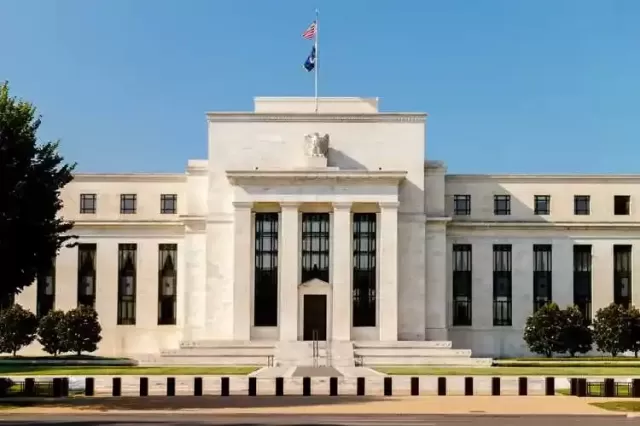
The Federal Reserve enters its latest policy meeting with a focus on consistency, despite a backdrop of significant administrative upheaval. Market analysts overwhelmingly predict that the central bank will maintain its benchmark interest rates at their current levels as the meeting concludes this Wednesday. This period of inactivity follows a series of rate reductions implemented last year, with officials now opting for a "wait-and-see" approach to evaluate the cumulative impact on the national economy.
Anticipating Future Policy Adjustments
While immediate action is unlikely, the financial sector remains alert for signals regarding the central bank's trajectory for the remainder of the year. Current projections suggest the possibility of one or two additional cuts, with June and December emerging as the most probable windows for change according to recent futures market data. Investors will be dissecting the post-meeting statement and Chair Jerome Powell's commentary for clues on several key factors:
- The committee's confidence in ongoing disinflation trends.
- The resilience of the current labor market and stabilization of hiring.
- Any shift in the "easing bias" that has characterized recent communications.
- Potential upgrades to the language regarding overall economic growth.
A Storm of External Disruptions
The standard economic focus is currently being overshadowed by an unusual degree of political and legal friction. Reports indicate that the executive branch may soon name a replacement for Chair Powell, potentially timing the announcement to coincide with this week's rate decision. This move is seen by many as an attempt to redirect public attention away from a Federal Open Market Committee that is resisting further immediate rate cuts.
Furthermore, the central bank is grappling with a Department of Justice subpoena concerning headquarters renovations. In a rare public rebuttal, Powell characterized the investigation as a "pretext" intended to undermine the institution's independence and pressure the board into more aggressive monetary easing.
Board Transitions and Legal Challenges
The leadership structure of the Federal Reserve is also facing scrutiny within the judicial system. Ongoing legal challenges regarding Governor Lisa Cook have reached the Supreme Court, while the expiration of Stephen Miran's term adds another layer of uncertainty to the board's future composition. Miran has been a notable figure on the board, frequently advocating for more significant rate reductions than his colleagues.
Despite these distractions, many economists believe the Fed will prioritize macroeconomic data over political noise. The consensus among analysts is that while the committee is not yet ready to signal a definitive end to the easing cycle, they are also not in a rush to act until the economic picture becomes clearer. The upcoming press conference will likely see Powell reaffirming his commitment to the bank's autonomy, even as media scrutiny intensifies regarding the ongoing disputes with the White House.