
New Study Reveals Blue Light's Impact on Internal Clock and Sleep Patterns
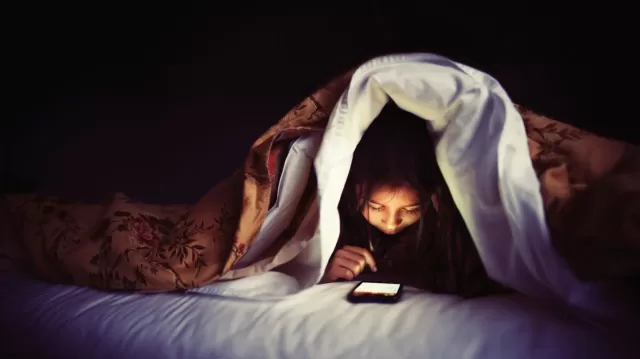
In a recent study that sheds light on the effects of blue light on the internal clock, researchers have uncovered significant insights into its impact on sleep patterns and overall well-being. The study, conducted by the University of Basel and the Technical University of Munich (TUM), delves into the consequences of prolonged exposure to blue light, a common element in our modern technological environment.
The research emphasizes the crucial role of blue light in influencing our circadian rhythm, also known as the internal clock that regulates sleep-wake cycles. With the ubiquity of digital devices emitting blue light, ranging from smartphones to computers and LED lighting, understanding its implications has become increasingly important.
The findings suggest that exposure to blue light during evening hours can disrupt the natural circadian rhythm, leading to difficulties in falling asleep and compromised sleep quality. This is particularly relevant in today's digital age, where screen time before bedtime has become a prevalent habit.
One key aspect highlighted in the study is the impact of blue light on melatonin production, a hormone responsible for regulating sleep. The research indicates that exposure to blue light suppresses melatonin levels, potentially contributing to sleep disturbances and affecting overall sleep patterns.
The study also underscores the importance of awareness and adopting measures to mitigate the potential adverse effects of blue light exposure. Researchers recommend limiting screen time before bedtime, utilizing blue light filters on devices, and incorporating "tech-free" periods to allow the internal clock to function optimally.
As our reliance on technology continues to grow, understanding the intricate relationship between blue light exposure and our internal clock becomes paramount. The study's insights provide valuable information for individuals seeking to optimize their sleep hygiene and overall well-being in an increasingly digitalized world.
In conclusion, the study adds a significant contribution to the ongoing discourse on the impact of technology on human health. By recognizing the role of blue light in disrupting our internal clock, individuals can make informed choices to foster healthier sleep habits and enhance overall sleep quality.