Iraqi Director's Childhood Tale of Resilience, "The President's Cake"
Growing up in Iraq during the 1990s meant living in a world without public cinemas. For filmmaker Hasan Hadi, his introduction to the magic of the silver screen came not through a theater, but through the risky business of smuggling. As a child, he assisted family members in distributing banned VHS tapes of foreign films, hiding the forbidden media under his shirt to avoid detection by the authorities. These secret late-night viewings—ranging from martial arts classics to high-brow art house cinema—provided a window into a world far beyond the borders of a nation under strict control.
During this era, the consequences of being caught with "subversive" material were grave. The regime maintained a climate of fear where even children were not exempt from the harshest punishments, including execution. This loss of innocence serves as the foundational backdrop for Hadi's creative vision, influencing his desire to document the human experience within a landscape defined by surveillance and absolute power.
The Surreal Reality of a Personality Cult
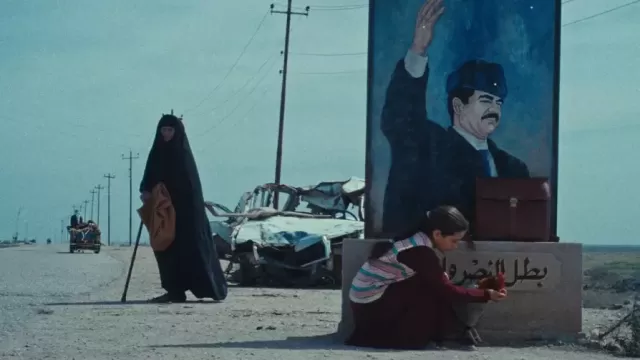
Hadi's cinematic debut, The President's Cake, offers a poignant and occasionally humorous look at life under the rule of Saddam Hussein. The story centers on Lamia, a nine-year-old girl who is tasked with a daunting national duty: baking a cake for the president's birthday. In the Iraq of the 1990s, this was not a choice but a mandatory school requirement.
The film vividly depicts the overwhelming presence of the state. Statues and portraits of the leader were so ubiquitous that they seemed to outnumber the citizens themselves. For a child navigating this environment, the sensation was one of constant observation. Through Lamia's eyes, the audience experiences the tension between the regime's forced celebrations and the grueling reality of daily life.
The Deep Scars of Economic Sanctions
While the film captures the absurdity of the political climate, it also addresses the profound suffering caused by international sanctions. Hadi emphasizes that the impact of these economic restrictions was often more devastating than physical warfare. The scarcity of basic necessities transformed simple tasks into epic journeys.
The narrative highlights the following aspects of life during the sanctions:
- The dramatic devaluation of professional wages, where a teacher's monthly income could plummet from hundreds of dollars to nearly nothing.
- The extreme scarcity of food, making ingredients like cream and sugar legendary luxuries that many children never actually tasted.
- A broken healthcare system where the lack of simple antibiotics led to permanent physical disabilities for many young people.
- A culture of desperation that forced families to sell their most cherished heirlooms just to afford a single meal.
Crafting an Authentic Iraqi Narrative
Despite its heavy themes, Hadi insists that his work is not driven by a political agenda, but by a commitment to authentic storytelling. The President's Cake achieved a historic milestone by becoming the first Iraqi film to reach the Oscar shortlist for the best international feature category. This achievement is particularly notable given the lack of formal film infrastructure in Iraq.
To maintain a sense of realism, Hadi utilized untrained actors to portray the children at the heart of the story. The production itself was a labor of love and resilience, involving treacherous filming conditions in the Iraqi marshlands. This dedication to craft reflects Hadi's broader mission: to continue producing films that honor the complex, often heartbreaking, but resilient spirit of his home country.